
Electrified Steam Methane Reforming Low-Carbon Syngas at Scale
Decarbonize Existing Reformers.
Start with one 10 MW module. Add more over time. Decarbonize step by step.
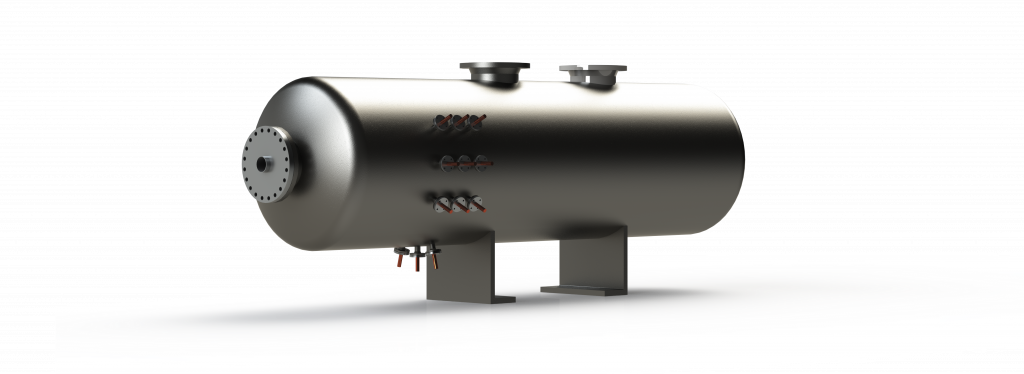
SY-ZEHN is SYPOX’s 10 MW electrified steam methane reformer (e-SMR). SY-ZEHN can be installed in parallel to existing fired SMR units to reduce fossil fuel use, support compliance targets, leverage downstream assets and unlock additional syngas capacity. In regions with low-cost renewable electricity, it provides a lower-cost syngas route than fired SMR, even without compliance fees included.
Meet Your Compliance Targets.
For refineries and industrial syngas users, electrified reforming can contribute to several compliance-driven decarbonization goals at once. Depending on feedstock strategy and configuration, e-SMR can support RFNBO-related pathways, advanced biofuel targets and ETS-driven CO₂ reduction.
RFNBO-related pathways
The electricity-derived share of e-SMR output can support RFNBO-related compliance targets, which play a major role in the decarbonization strategy of a refinery.
Advanced biofuel targets
When qualifying renewable feedstocks such as biomethane are used, e-SMR can contribute to advanced biofuel-related target structures and compliance value.
ETS and CO₂ reduction
By reducing fossil-fired reforming duty and shifting production toward electrified syngas generation, operators can lower direct emissions and improve their ETS-related position.This effect can be leveraged using renewable feedstocks.
Better Syngas Economics.
An electrically heated reformer is not only a decarbonization tool. Under favorable electricity and gas price conditions, it can also reduce the cost of syngas production compared with fired SMR. This makes electrified reforming attractive not only for compliance-driven projects, but also for operators seeking lower-cost and more flexible syngas production. In addition, e-SMR can reduce natural gas consumption by up to 40% compared with fired reforming, improving energy resilience by minimizing exposure to fuel price volatility and reducing the need for energy imports.
Leverage Existing Assets.
Unlike a standalone electrolyzer, e-SMR fits naturally into existing reforming-based process schemes. The syngas produced can continue through existing downstream process equipment, allowing operators to decarbonize without abandoning the value of their installed asset base. This makes e-SMR a practical brownfield solution: cleaner front-end conversion, continued use of existing infrastructure, and lower disruption to established process chains.
- Use existing downstream process equipment
- Reduce load on the fired SMR
- Extend useful lifetime of legacy reformers
- Lower emissions without replacing the full plant
- Expand syngas output with lower brownfield risk
Phased Deployment. Lower Risk.
SY-ZEHN is designed as a modular 10 MW platform that can be added step by step to existing installations. Operators can start with one unit, validate performance in their specific plant environment, and expand over time. The result is a lower-risk pathway to gradual decarbonization and capacity growth.
- Start with one 10 MW module (SY-ZEHN)
- Expand capacity step by step
- Lower upfront CAPEX
- Reduce brownfield execution risk
- Decarbonize as much as you need right now